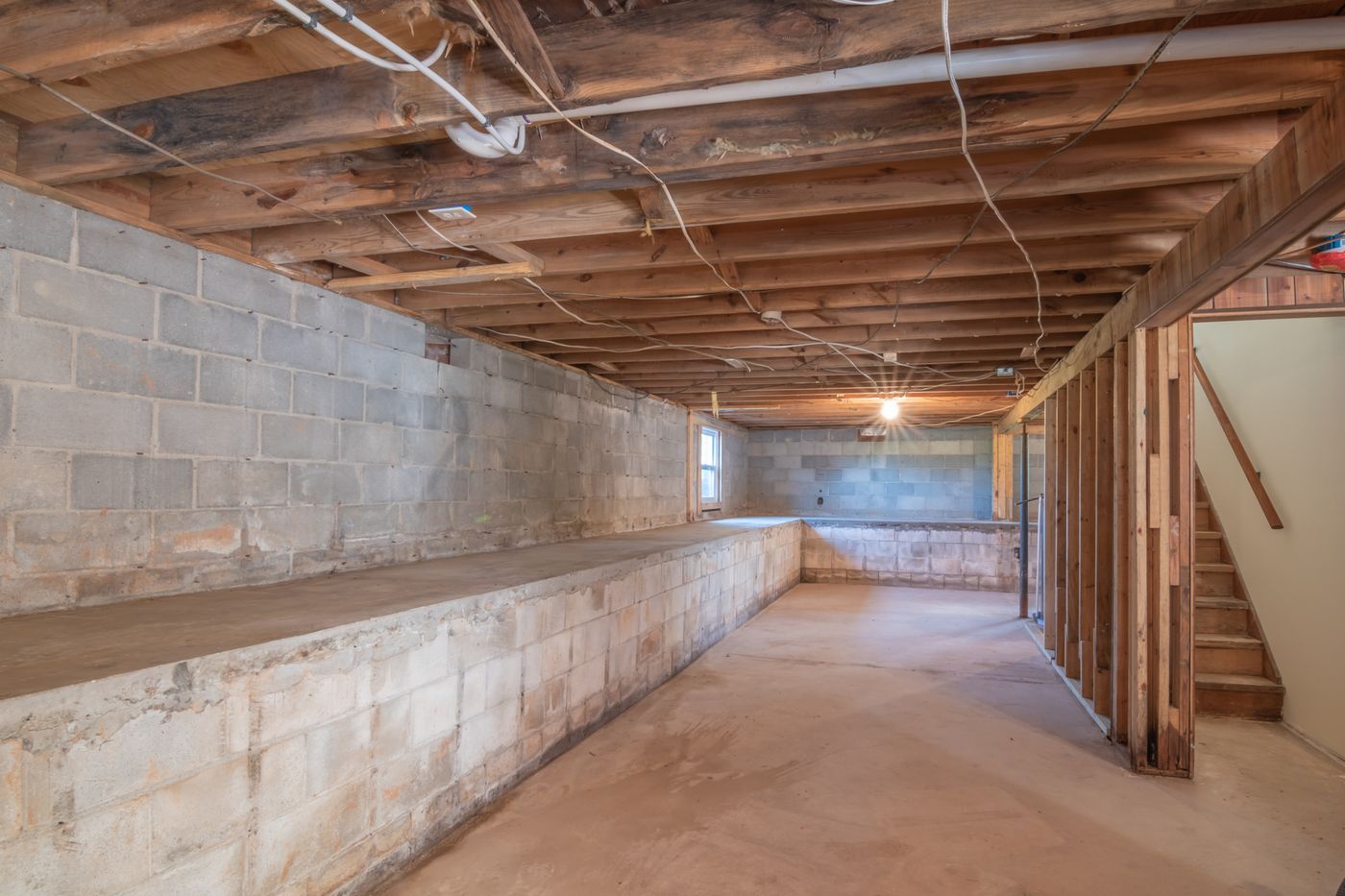
Does this sound like your home?
- Water collecting at the lowest point of a basement
- An existing pump running unusually often
- A pump that fails to start or empty the basin
- Concerns about heavy rain or power interruptions
What can help, and why
A pump should be selected for the water your home collects, not simply because one is available. A sump basin receives water from a drainage system or suitable collection point. A float or sensor activates the pump, which sends that water through a discharge pipe. The outlet must be placed so water does not return to the foundation or create an unsafe condition.
Primary pump and basin
Sizing considers incoming water, lift height, discharge length, and basin conditions. A properly positioned float, check valve, and accessible cover help the system operate and remain serviceable.
Backup options
Battery backup or other suitable alternatives may add resilience during an outage or primary pump failure. Capacity, runtime, battery maintenance, and local requirements should be explained.
Discharge planning
A discharge route must be suitable for the property and comply with applicable rules. Avoid assuming a pump can simply empty into a sanitary sewer or onto neighboring land.
Make the repair worth doing.
A pump cannot remove water that never reaches its basin. Check the connected drainage, power supply, float movement, discharge, and maintenance needs as a complete system.
You don’t need to decide on a system before contacting ClearPoint. Tell us where the problem appears and what you’ve already tried. That gives the assessment a useful starting point.
Request an Estimate