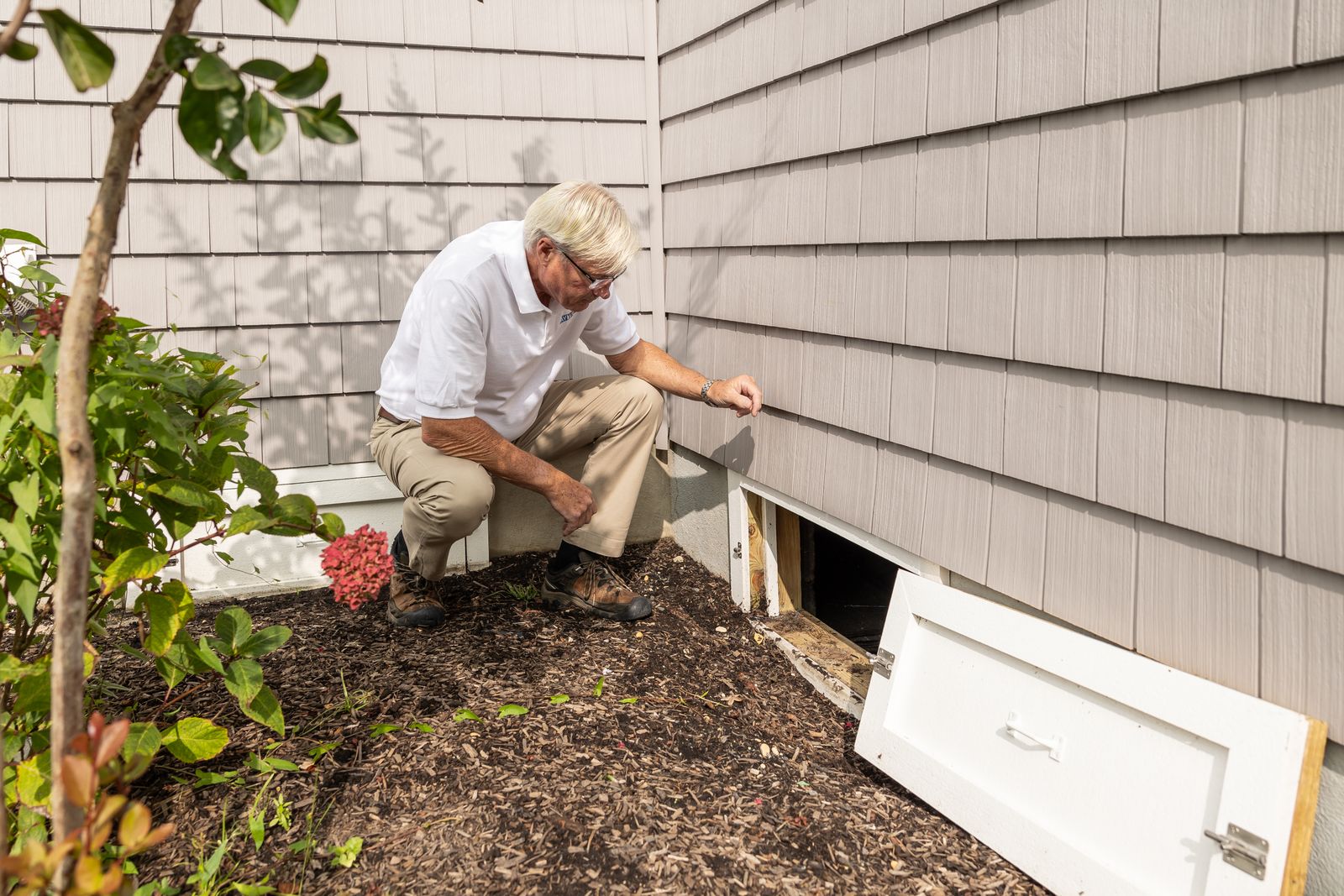
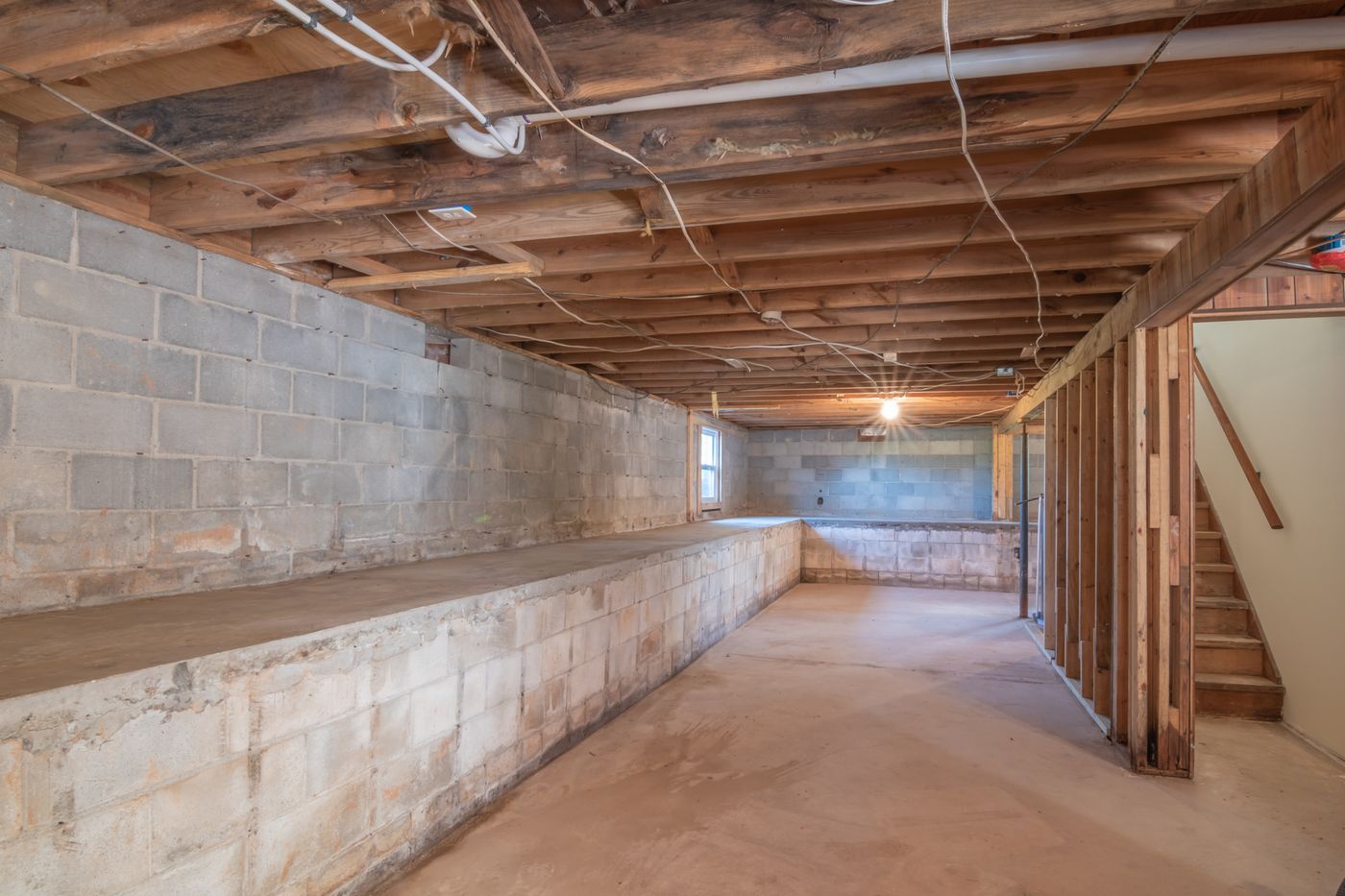
Does this sound like your home?
- Water at the wall-floor joint after rain
- Damp walls, staining, or white mineral deposits
- Puddles along the basement perimeter
- Persistent moisture beneath finished flooring
What can help, and why
If you want to use the basement without working around damp walls or puddles, the first question is how the water gets there. Basement water can enter through wall cracks, masonry pores, floor joints, or openings around pipes. Condensation and plumbing leaks can look similar. An inspection should consider rainfall patterns, gutters, grading, foundation materials, and existing drainage before a scope is proposed.
Interior water management
A perimeter drain can intercept water beneath or beside the floor and direct it to a sump basin. Wall drainage may guide seepage into that system. This manages incoming water; it does not necessarily stop moisture at the outside wall.
Exterior waterproofing
Where access and soil conditions permit, excavation can expose the foundation for surface preparation, a suitable waterproofing membrane, and drainage. Landscaping, utilities, and excavation safety affect feasibility.
Moisture and surface-water control
Downspout extensions, improved grading, and appropriate dehumidification may be part of the recommendation. Wall coatings alone are not a substitute for managing ongoing water pressure.
Make the repair worth doing.
The right system needs a planned discharge point, access for maintenance, and details suited to the foundation. Ask how the proposed work handles the observed entry points and how existing finishes will be protected or restored.
You don’t need to decide on a system before contacting ClearPoint. Tell us where the problem appears and what you’ve already tried. That gives the assessment a useful starting point.
Request an Estimate