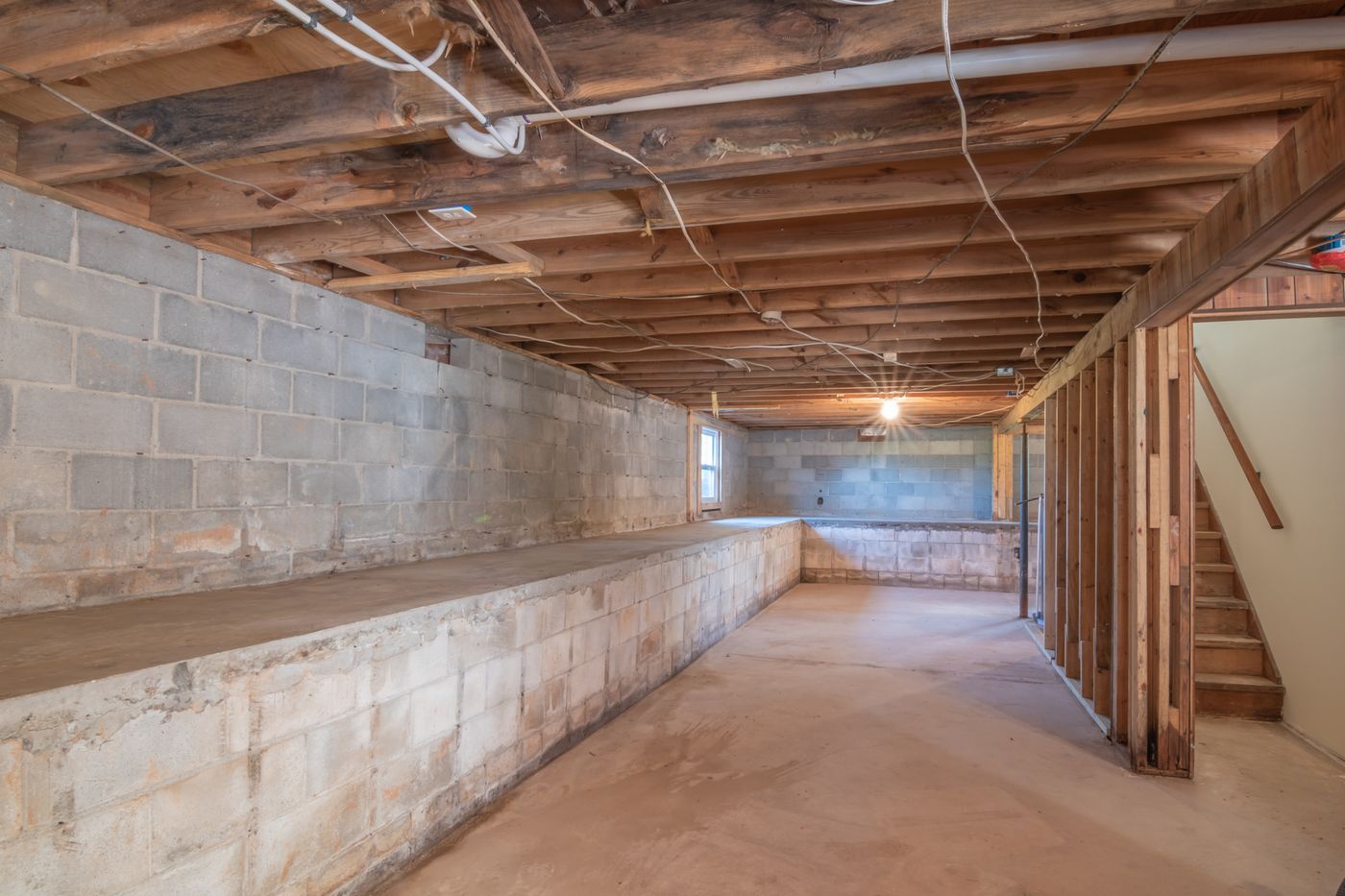
Does this sound like your home?
- Damp soil or standing water under the home
- Musty odors near the floor
- Condensation on pipes or insulation
- Damaged or incomplete ground vapor barriers
What can help, and why
Covering the soil can help, but a dry crawl space needs more than a sheet of plastic. Encapsulation uses a durable vapor barrier with sealed seams and thoughtfully detailed edges to reduce ground moisture entering the crawl space. It should be designed with drainage, ventilation or conditioning, humidity control, pest inspection access, and local building requirements in mind.
Resolve liquid water first
Standing water, plumbing leaks, and poor exterior drainage need attention before a liner is installed. Encapsulation is not a replacement for a working drainage system.
Install a continuous vapor barrier
A suitable liner covers the ground and is detailed around piers, walls, and penetrations. Seams and terminations matter as much as the material itself.
Plan humidity and maintenance
Depending on the home, a dehumidifier or conditioned-air approach may be appropriate. Maintain access to equipment, inspection areas, and any drainage or pump components.
Make the repair worth doing.
Conditions beneath Charlotte-area homes vary with weather, soils, and home construction. Assess wood condition, bulk-water entry, drainage, and existing insulation before deciding what belongs in the scope.
You don’t need to decide on a system before contacting ClearPoint. Tell us where the problem appears and what you’ve already tried. That gives the assessment a useful starting point.
Request an Estimate