
Residential waterproofing
for less worry when it rains.
Get to the source of basement leaks, foundation seepage, and crawl space moisture. Understand the repair options before deciding what’s right for your Charlotte-area home.
Tired of checking the basement
every time it rains?
Puddles, musty smells, and recurring stains can make part of your home feel off limits. You want a usable space and a clear answer about what needs fixing.
Make room for a drier,
more comfortable home.
A leaking wall, damp soil, and pooling runoff need different answers. See which approach addresses what you’re noticing.
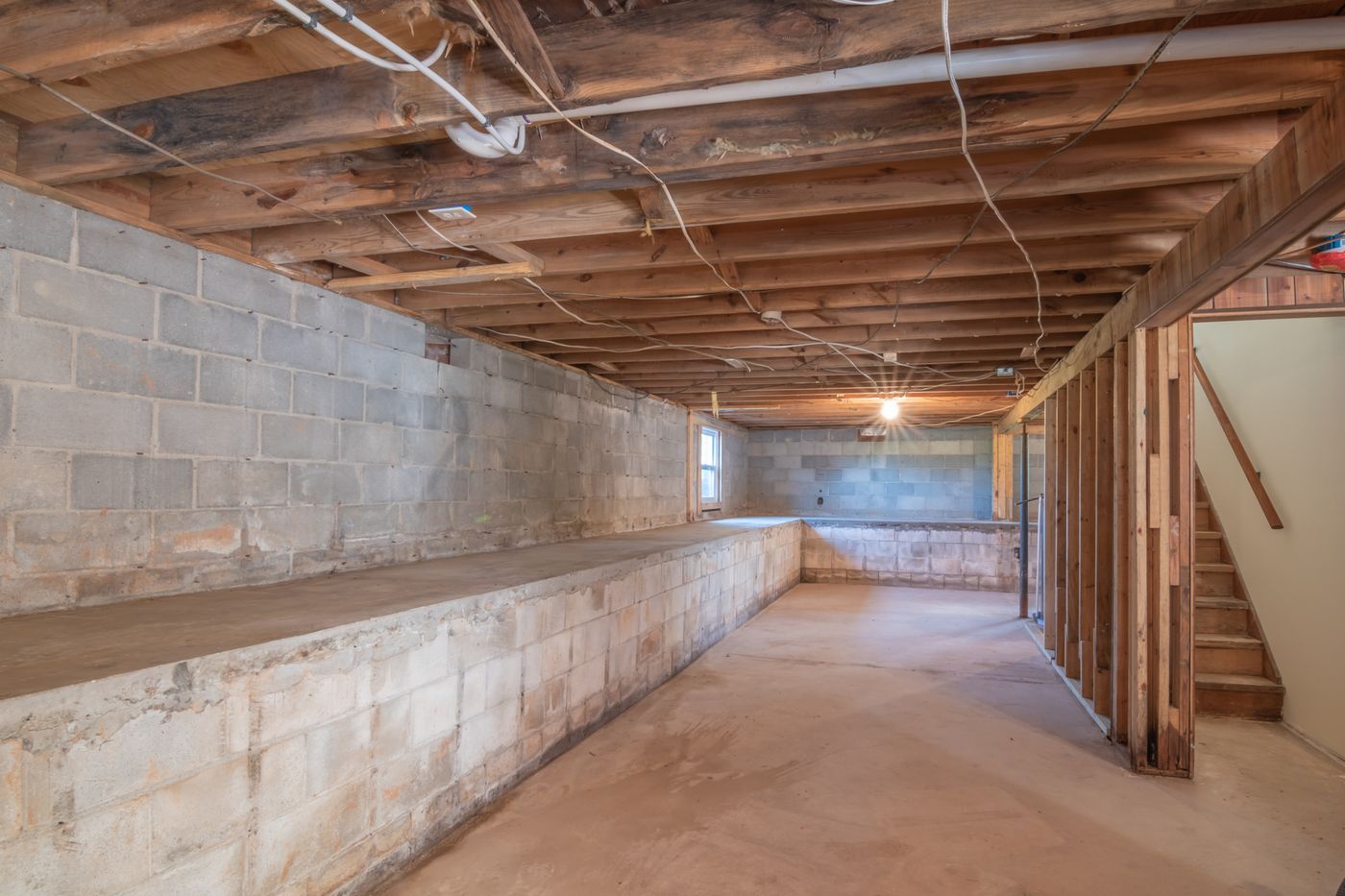
Basement Waterproofing
Manage water at walls and floor joints so your basement can become a drier, more usable part of your home.
Explore the solution
Foundation Crack Repair
Address leaking foundation cracks with a repair suited to the wall material and the reason the crack formed.
Explore the solution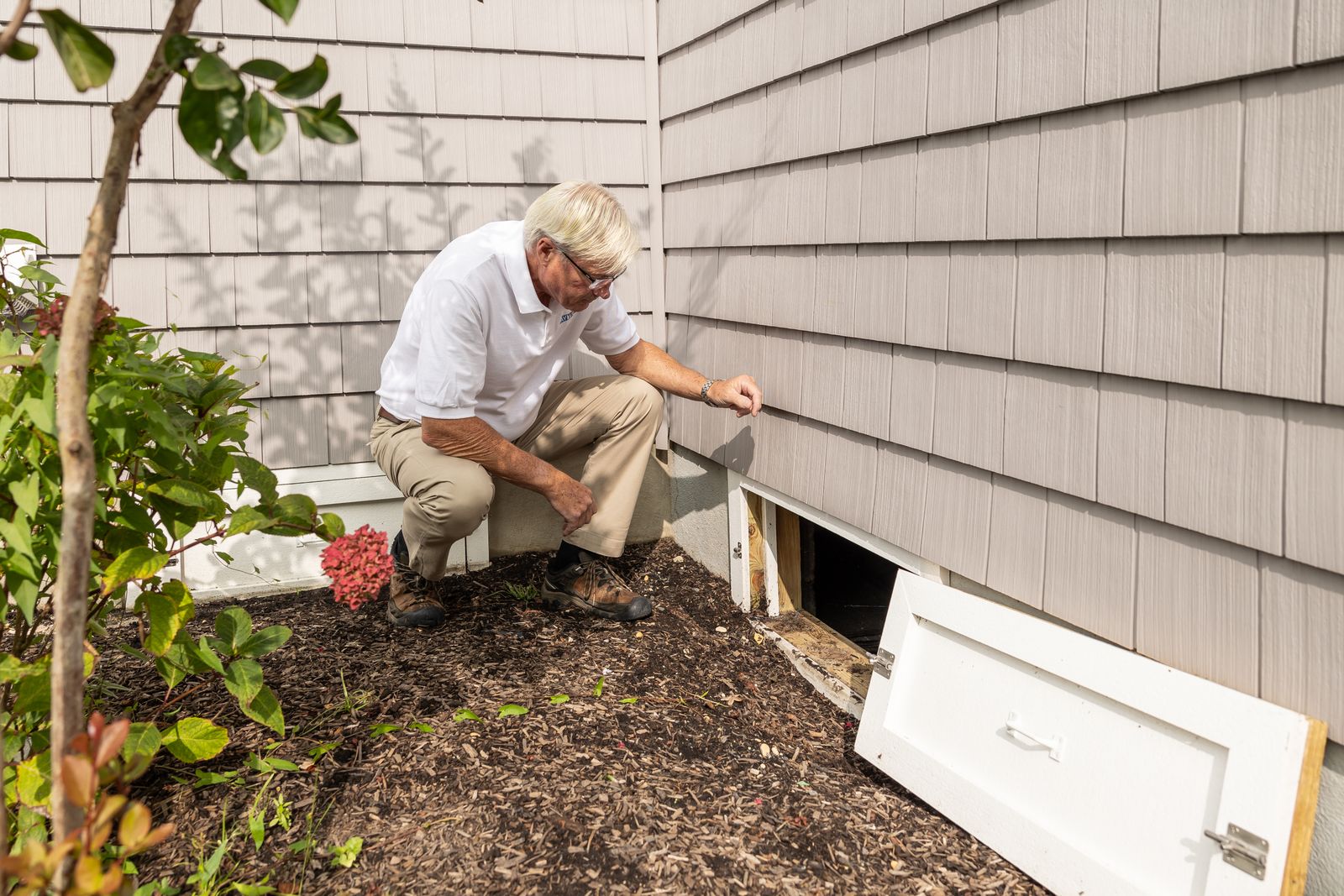
Crawl Space Encapsulation
Reduce moisture from exposed soil and plan for humidity control beneath your home.
Explore the solutionSump Pump Installation
Move collected water out of the basement with a correctly sized pump, basin, and discharge route.
Explore the solution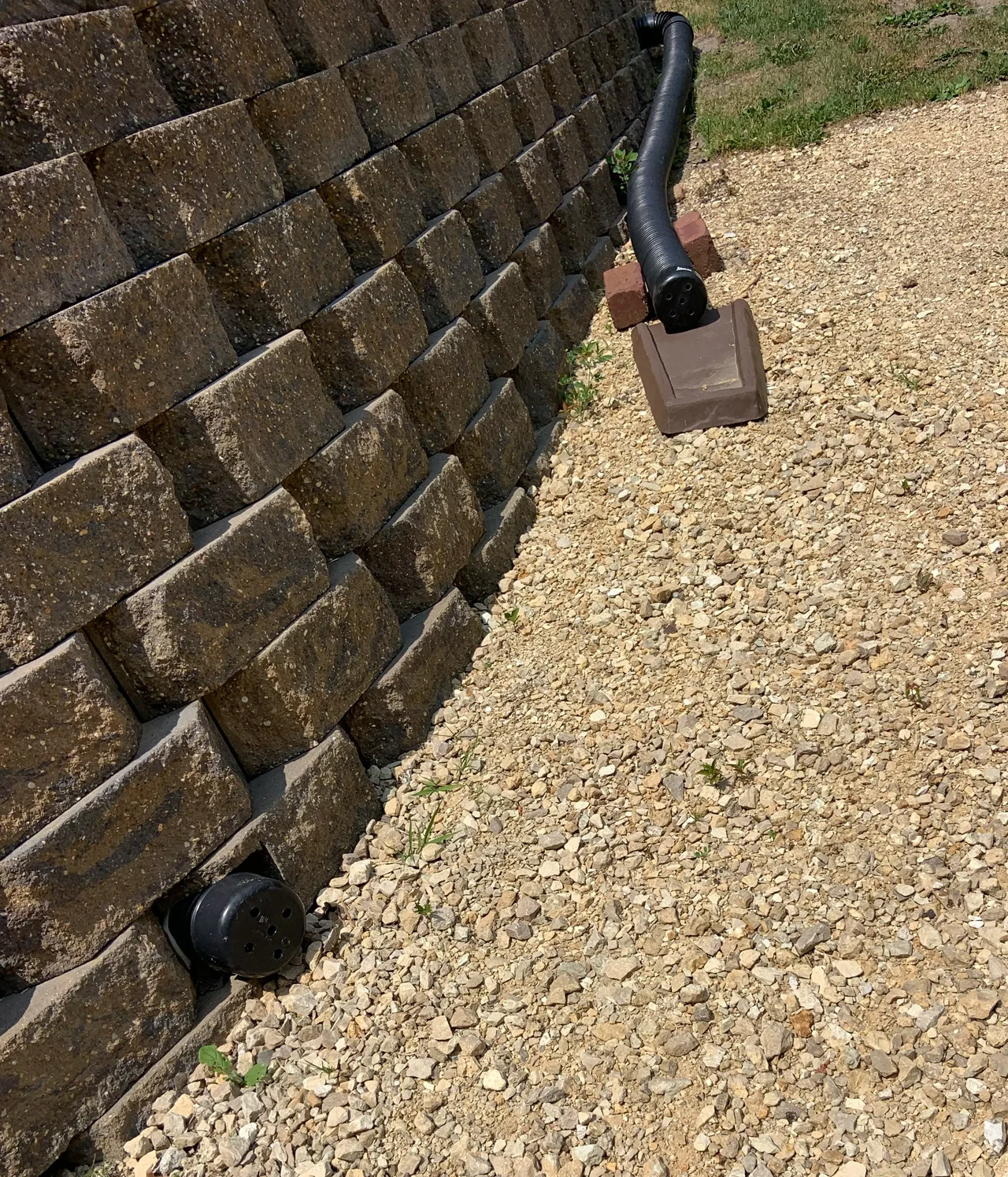
Interior & Exterior Drainage
Redirect basement seepage or outside runoff with interior drains, grading improvements, or an exterior French drain.
Explore the solutionYou need a reason to feel good about the next step.
A waterproofing estimate should leave you with more answers, not more pressure. Start with the cause, understand the options, and know what the work is intended to solve.
Tell us what you’re seeing, even if you’re not sure which service you need.
Find the cause before choosing the fix
A stain tells you where water ended up, not necessarily where it started. Understanding the entry point helps you avoid paying for a repair that leaves the real problem untouched.
A solution that fits your home
Your foundation, drainage, access, and plans for the space all matter. The right recommendation connects those details instead of treating every wet basement the same way.
Clear recommendations, fewer unknowns
Know what each part of the proposed work is meant to do. Discuss the scope, alternatives, and limitations so you can make a decision without guessing.
Think through the disruption
Access, belongings, landscaping, and cleanup deserve attention before work begins. A useful plan accounts for the home you live in, not just the area being repaired.
Look beyond a surface patch
Water needs a path away from your home. Drainage, discharge, moisture control, and maintenance belong in the conversation about lasting protection.
See what goes into a sound solution.
From the foundation wall to the water’s final outlet, the details matter. Get a closer look at the spaces and systems behind the work.
Basement water management
Wall condition, floor joints, and a planned drainage route all matter when addressing basement seepage.
Crawl space assessment
Start with access, moisture sources, and existing conditions before choosing a vapor barrier or humidity-control plan.
Give water somewhere to go
Collection and discharge work together. A suitable outlet is just as important as the drain itself.
Foundation wall assessment
Wall material and signs of movement help distinguish a leak-sealing repair from an issue needing further evaluation.
From water worries to a plan.
Tell us what you’re seeing
Describe the water problem, when it happens, and where you live.
Arrange an assessment
Discuss your home and an appropriate inspection or consultation.
Understand your options
Review a recommended scope, materials, and a written estimate.
Agree on the work
Confirm the details and schedule the agreed waterproofing work.
A local approach that considers
your home’s specific challenges.
Homes on the same street can have different slopes, foundations, and water-entry points. Share your ZIP code or city and the symptoms you’re seeing to start the conversation.
Explore the Charlotte area- Charlotte
- Matthews
- Mint Hill
- Huntersville
- Cornelius
- Concord
- Pineville
- Indian Trail
- Monroe
- Belmont
Know what you’re agreeing to.
You shouldn’t have to understand every technical term to make a good decision. These are the details worth talking through.
How do I know where basement water is coming from?
Note where water first appears and whether it follows rain, plumbing use, or humid weather. Foundation leaks, condensation, and plumbing problems can look similar. An inspection helps distinguish the source before work is recommended.
Should waterproofing be done inside or outside?
The right approach depends on the foundation, entry points, site access, and goals. Interior drainage manages water that enters; exterior waterproofing helps limit entry. Some homes benefit from a combination.
What affects the cost of waterproofing?
Scope, foundation condition, access, drainage needs, equipment, and restoration all matter. Ask for a written estimate that clearly identifies what is included, excluded, and optional.
Will waterproofing work disrupt my home?
Some work requires opening part of the floor, moving stored items, or excavating outside. Discuss access, protection, cleanup, and restoration with the scope so you know what to expect before installation.
What if the water problem keeps returning?
A recurring leak can mean the water source, pressure, or drainage was not fully addressed. Review when the water appears, previous repairs, and the discharge route. Further assessment may be needed before choosing another treatment.
What should I expect during an inspection?
An assessment should consider visible entry points, moisture patterns, wall condition, gutters, grading, and existing drainage where accessible. Share what happens during rain and any repairs you have already tried.
How long can waterproofing work take?
A localized crack repair and a full drainage installation have very different scopes. Site conditions, excavation, drying, and restoration affect the schedule. Timing should be discussed with the proposed work.
What happens when I request an estimate?
Share the symptoms and property location. The next step is to discuss your issue and arrange an inspection or consultation where appropriate. Any fees, availability, and scope should be confirmed before you proceed.
Do cracks always mean structural damage?
No. But changing cracks, wall movement, or significant displacement warrant qualified assessment. Waterproofing alone should not be presented as a solution to an unresolved structural issue.
Let’s get to the bottom of your water problem.
Start with what you’re seeing. A cause-first assessment and a home-specific plan can help you decide where your money is best spent.